Among Us
Can Karayel • October 20, 2026
Summarize this with AI
Rating
Among Us transforms the viral gaming phenomenon into a clever sci-fi animation that captivates both nostalgic gamers and new viewers alike. This Paramount+ production by Owen Dennis masterfully explores themes of paranoia and trust within an entertaining space adventure.
The Among Us series launched on Paramount+ in 2026 as an animated adaptation of the game of the same name that took the world by storm in 2020. Bearing the signature of Owen Dennis, creator of Infinity Train, this production is surprisingly successful at transforming a simple game mechanic into a deep science fiction story.
The series' basic premise is quite straightforward: among the crew of a cargo ship hauling scrap across the galaxy, there's an impostor, and this enemy could eliminate everyone before the crew members figure out who it is. However, Among Us takes this simple premise and delivers a multi-layered paranoia thriller, character-driven drama, and clever commentary on social deduction. Unlike the game's repetitive structure, the series gives characters depth and feeds viewers new clues with each episode.
Owen Dennis's production philosophy is evident in this project as well. Just as with Infinity Train, he takes a seemingly simple concept on the surface and fills it with emotional and philosophical themes. Trust, loneliness, paranoia, and the concept of community form the backbone of the series. The theme of social isolation that underlay the Among Us game's rise to popularity during the pandemic is cleverly explored in the series as well. The question of what happens when a group of people trapped in the silence of space become unable to trust each other also references contemporary society's trust crisis in the social media age.
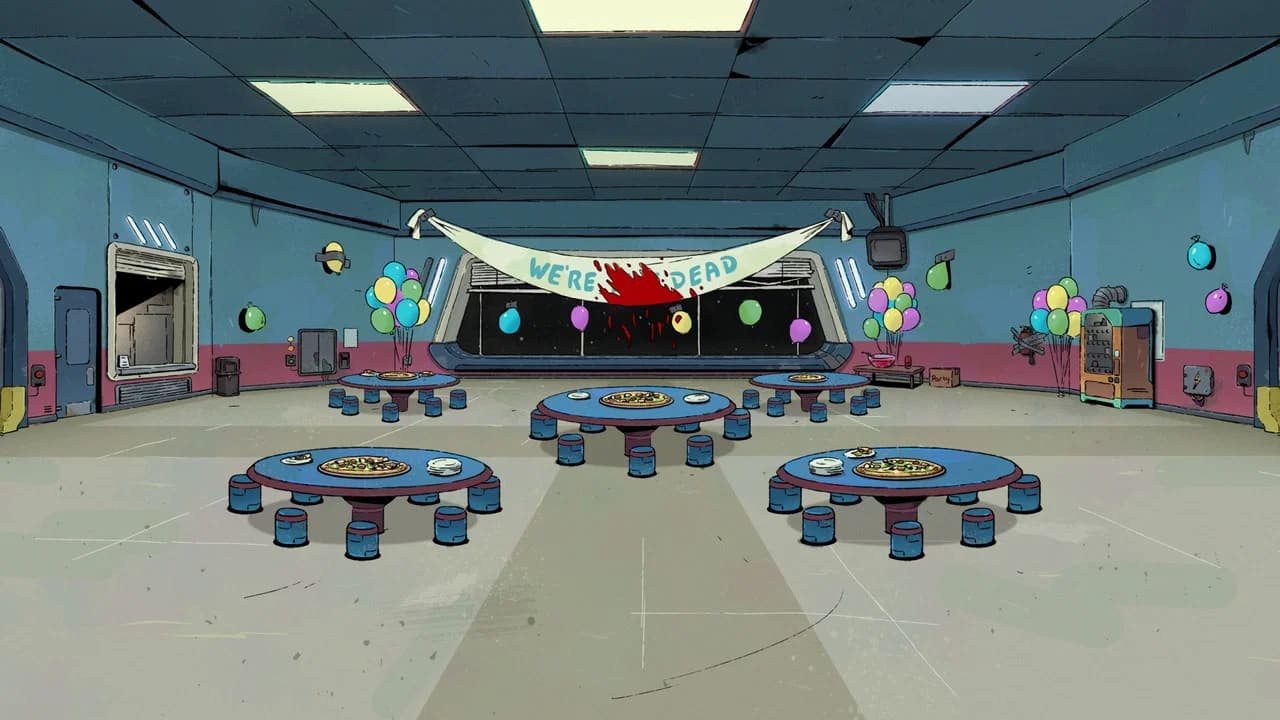
The animation style is a conscious choice for Among Us. Moving away from the game's minimalist, almost childlike characters, the series employs a more detailed yet still stylized animation language. The characters have an expressive and caricatured design rather than realistic human anatomy. This choice both stays true to the game's DNA and uses animation's emotional storytelling power to reflect the characters' inner worlds. The color palette maintains the game's iconic red, blue, and green tones, but employs a cinematic approach to shadow and light usage to reflect the dark, menacing atmosphere of the space setting.
The voice cast is truly impressive. Yvette Nicole Brown's experienced crew member character delivers a performance that balances both comedic and dramatic moments. Dan Stevens, in the charismatic captain role, uses the power of his voice to create a character oscillating between trust and suspicion. Names like Kimiko Glenn, Liv Hewson, and Ashley Johnson also add unique colors to their respective characters. Wayne Knight's elderly technician is an important figure who calibrates the series' comedy dosage. The voice direction is designed to support the characters' emotional journey, and particularly in tense scenes, the ambiguity created by vocal tones strengthens the atmosphere.
In the music department, the composer blends synthetic and orchestral sounds to create both a retro sci-fi feel and modern thriller music. The minimalist melodies used especially during moments of suspicion unsettle the viewer and support the story's detective aspect. Each character has their own musical motif, and these motifs transform as episodes progress, providing clues about the characters' true nature.
The behind-the-scenes information is quite interesting. When Owen Dennis pitched the project to Paramount+, he only prepared a 10-minute animatic, and studio executives approved the project after this brief presentation. During the series' writing process, Dennis and his team worked in close contact with the game's creators, InnerSloth, but had the freedom to create an original story without disrupting the game's simple structure. An interesting detail is the selection of a Canada-based team as the series' animation studio. When designing the spaceship's interiors, the studio referenced actual space station plans and took care to ensure every corridor and room had a logical function.
The Among Us series also presents a new model for how game adaptations should be made. Rather than translating the game's mechanics directly to screen, it takes the core spirit and themes and transforms them into a rich narrative. From a Turkish viewer's perspective, while the series' themes of paranoia and lack of trust are universal, the series has a nostalgic appeal especially considering the cultural impact the Among Us game created among young people.
The series' social media impact is also noteworthy. After each episode, viewers generate theories about who the impostor is, and this interaction increases the series' popularity. Paramount+ consciously used this strategy by choosing a weekly release model, encouraging discussion culture rather than binge-watching.
The Among Us animated series, as a shining example among video game adaptations, strengthens the bridge between the worlds of cinema and gaming. With Owen Dennis's creative vision, a strong voice cast, and technically impressive production values, Among Us is a must-watch production for both fans of the game and viewers seeking quality animation.
Frequently Asked Questions
Where can I watch Among Us animated series?
Among Us is available exclusively on Paramount+. The series premiered in 2026 as an original production for the streaming platform.
Who created the Among Us TV series?
The Among Us animated series was created and directed by Owen Dennis, known for his work on other acclaimed animated projects. Dennis adapted the viral gaming phenomenon into a sci-fi animation for Paramount+.
Is Among Us worth watching with an 8.7 FoxFilm score?
With a strong 8.7/10 FoxFilm score, Among Us is definitely worth watching as it successfully transforms the viral game into a clever sci-fi animation that appeals to both nostalgic gamers and newcomers.
Is the Among Us series based on the video game?
Yes, the Among Us animated series is based on the viral multiplayer video game of the same name. Owen Dennis adapted the game's core concepts into a sci-fi animation format for television.