Breaking Bad
Can Karayel • May 28, 2026
Summarize this with AI
Rating
Breaking Bad is a cinematic masterpiece in every frame, telling the most flawless character transformation in television history. The universe created by Vince Gilligan elevates moral collapse into Shakespearean tragedy.
When it premiered on AMC in 2008, in a way no one could have predicted, Breaking Bad redrew the boundaries of television storytelling. This dark epic created by Vince Gilligan was not merely a crime drama; it was a distorted reflection of the American Dream, a portrait of middle-class desperation, and a philosophical journey into the depths of human nature.
Walter White is perhaps the most complex and meticulously crafted antihero in television history. The transformation of an overqualified, underpaid chemistry teacher diagnosed with cancer into a methamphetamine kingpin is a modern interpretation of a literary tradition stretching from Macbeth to Faust. Gilligan's genius lies in executing this transformation without striking a single false note, making every decision the character makes feel logical and organic. Walter's initial image as a man acting for the sake of his family is slowly stripped away, revealing the ego, arrogance, and hunger for control lurking beneath.
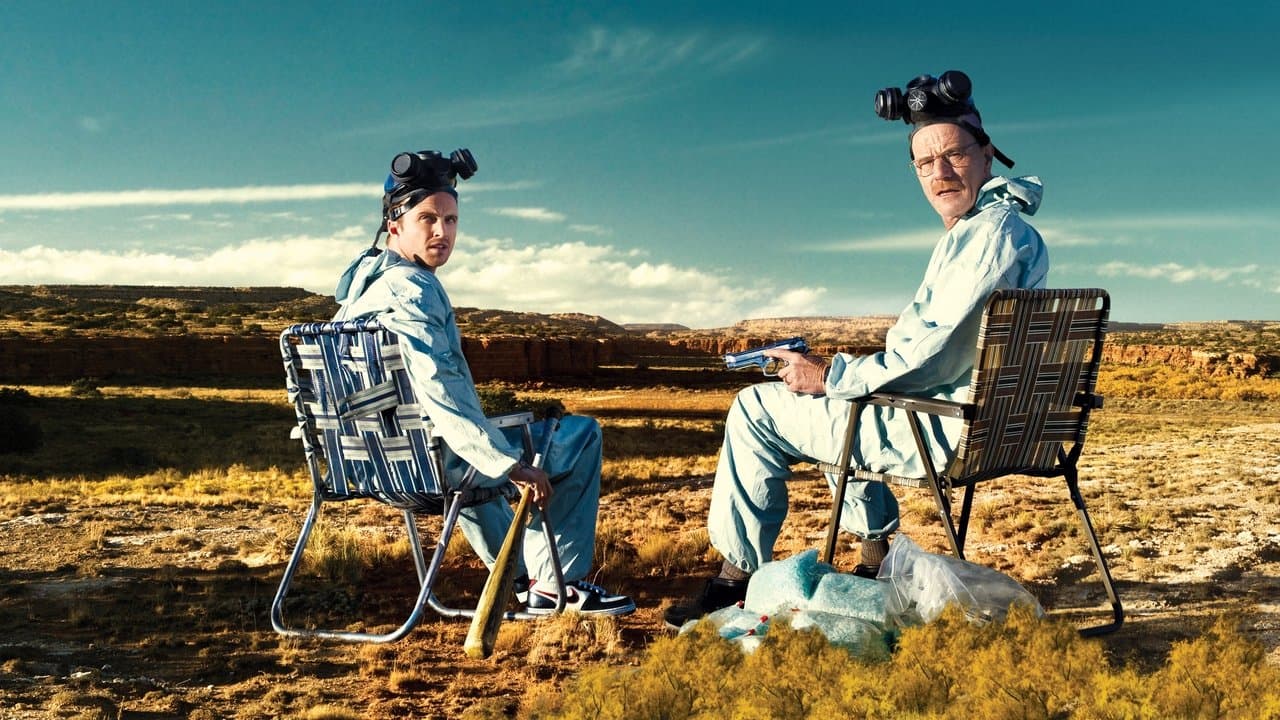
Breaking Bad's narrative structure is so flawless it could serve as curriculum in film schools. The tension that peaks at every season finale and every mid-season finale keeps viewers riveted to the screen, while watching small details gain significance seasons later is nothing short of mesmerizing. The desert trailer, established from the very first episode, becomes the visual centerpiece of the series. The scorching landscapes of New Mexico transform into an externalization of the characters' inner desolation.
Bryan Cranston's performance as Walter White stands at the pinnacle of television acting. It remains astonishing how an actor who came from comedy managed to inhabit this dark, multilayered character. Cranston captures every facet of Walter — the timid teacher, Heisenberg's menacing posture, the man ensnared in the web of his own lies — with perfect nuance. Aaron Paul's Jesse Pinkman, meanwhile, is the conscience of the series. A character who initially appears to be a clichéd drug dealer gradually becomes the emotional core of the show in Paul's hands. The Walter-Jesse dynamic is a toxic bond in which father-son, mentor-student, and partner-enemy relationships are inextricably intertwined.
The directing roster reads like a lineup from a prestigious film festival: Michelle MacLaren's action sequences, Rian Johnson's experimental approach, and Vince Gilligan's own direction of the series' pivotal episodes. The episode "Fly," in particular, offers a Samuel Beckett-style exercise by confining two characters to a single location, while "Ozymandias" brings all of the series' themes together in a devastating finale. The visual language crafted by cinematographer Michael Slovis is defined by wide-angle low-angle shots, extreme close-ups on characters' faces, and unexpected camera angles.
Dave Porter's score is minimal yet effective. The blend of electronic and organic sounds, the industrial noise that punctuates the silence of New Mexico, reflects the characters' inner worlds. The musical selections — ranging from "Crystal Blue Persuasion" to Badfinger's "Baby Blue" — lend an iconic dimension to the scenes they accompany.
A little-known behind-the-scenes detail: while Walter White's green shirt represents the character's innocence, the costume designer gradually dresses him in increasingly darker colors as the series progresses. Heisenberg's black hat, according to the show's directors, is the physical manifestation of the character's alter ego. Another fascinating detail is that every chemical reaction in the lab scenes was filmed under the supervision of a real chemistry consultant, with critical details of methamphetamine production deliberately omitted.
The aspects of the series that resonate with Turkish audiences are the universality of its themes around family bonds and male pride. Walter's effort to feed his ego under the guise of protecting his family exposes the dark face of patriarchal structures. Even the backlash directed at the character of Skyler sparked debates about gender roles. Anna Gunn's Skyler — widely disliked yet brilliantly performed — is, in fact, the only character who consistently behaves rationally.
Breaking Bad cemented the concept of prestige TV within the television industry. It played a pivotal role in Netflix's international success, as its cult fanbase first took shape on digital platforms. The long waits between seasons, the online theories, the frame-by-frame analysis of individual scenes — all of this demonstrated that audience engagement had reached an entirely new level.
Ultimately, Breaking Bad stands at the summit of television history, distinguished by its flawless writing, extraordinary performances, cinematic visual language, and philosophical depth. This dark journey — in which we glimpse a piece of ourselves as we watch Walter White's descent, and which reveals new layers with every rewatch — is proof of what the art of cinema can achieve within the television format. Vince Gilligan found the formula for creating great cinema on the small screen, and that formula has been written into the very DNA of modern television drama.
Frequently Asked Questions
How many seasons does Breaking Bad have?
Breaking Bad has 5 seasons in total, spanning 62 episodes from 2008 to 2013. The final season was split into two parts, with the series concluding in September 2013.
Is Breaking Bad based on a true story?
No, Breaking Bad is not based on a true story. Creator Vince Gilligan developed the fictional story of a chemistry teacher turned drug manufacturer, though he drew inspiration from news articles about real-life meth cooks.
Is Breaking Bad worth watching?
Absolutely, with a FoxFilm score of 9.8/10, Breaking Bad is considered one of the greatest TV series ever made. It delivers a cinematic masterpiece showcasing the most compelling character transformation in television history.
Did Breaking Bad get a sequel or spin-off?
Yes, Breaking Bad has both a sequel film called El Camino (2019) that follows Jesse Pinkman after the series finale, and a prequel spin-off series Better Call Saul (2015-2022) focusing on lawyer Saul Goodman.