Bridgerton
Can Karayel • August 1, 2026
Summarize this with AI
Rating
Created by Chris Van Dusen, Bridgerton is a dazzling period drama adapted from Julia Quinn's novels that reimagines Regency-era England through a modern lens. One of Netflix's most-watched productions, the series masterfully blends classic aristocratic tales with contemporary storytelling techniques.
Released by Netflix in late 2020, Bridgerton became more than just a period drama—it evolved into a cultural phenomenon in the television world. Bearing the signature of Shonda Rhimes's production company Shondaland and created by Chris Van Dusen, the series transforms Regency-era England into a veritable fairytale kingdom, drawing from Julia Quinn's eight-book novel series. After its first season premiered, Bridgerton was watched in 82 million households, achieving one of the platform's most successful launches and gaining a substantial fan base in Turkey as well.
Bridgerton's boldest aspect is how it blends historical setting with social inclusivity. While depicting 19th-century English aristocracy, the series deliberately incorporates actors from diverse ethnic backgrounds into its cast and weaves this organically into the story. This alternative historical vision, constructed through the character of Queen Charlotte, offers viewers both a nostalgic and contemporary experience. The gossip culture, marriage market dynamics, and family relationships that feel familiar to Turkish audiences are elements that enhance the show's universal appeal.
In terms of narrative structure, Bridgerton plans to progress by focusing on a different sibling each season. While the first season centers on Daphne Bridgerton's passionate relationship with the Duke of Hastings, the second season tells Anthony Bridgerton's love story. This narrative model both stays faithful to the novels' structure and brings different energy to each season. However, the series' greatest strength is the mysterious scandal writer Lady Whistledown, voiced by Julie Andrews. This narrator figure not only brings an ironic perspective to the story but also masterfully demonstrates how gossip spread in the pre-social media era.
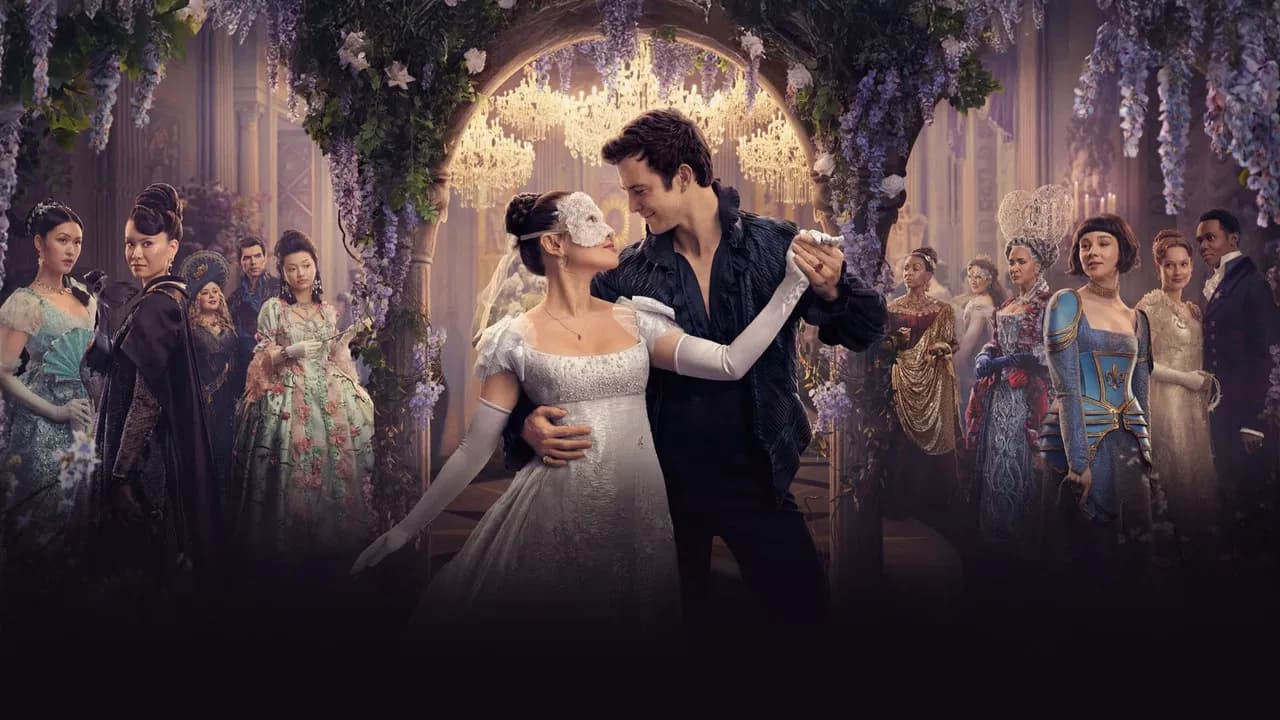
Visually, Bridgerton is an absolute feast. Production designer Will Hughes-Jones and costume designer Ellen Mirojnick blend period details with fantastical aesthetics to create a world as colorful and spectacular as a cake. Every ball scene, every salon meeting, every garden stroll is designed like carefully crafted paintings. Director of Photography Jeffrey Jur's camera work heightens emotional intensity in romantic scenes through soft focus and natural lighting, while capturing grandeur in ball scenes with wide-angle shots. As for costumes, the series prioritizes cinematic impact over historical accuracy. Vibrant colors, bold patterns, and modern textures are key elements that distinguish Bridgerton from traditional period dramas.
The cast is one of the series' strongest aspects. Phoebe Dynevor convincingly portrays Daphne Bridgerton in the first season as an innocent yet determined young woman. Regé-Jean Page's Duke of Hastings, Simon Basset, delivers a charismatic performance that nearly carries the first season single-handedly. Jonathan Bailey, who comes to the forefront from the second season onward, captures emotional depth in the role of eldest brother Anthony. Ruth Gemmell's portrayal of family matriarch Violet Bridgerton reflects the grace and strong presence of a mother of eight. However, the show's true star is Polly Walker, who brings Portia Featherington to life with theatrical mannerisms and sharp dialogue.
One of Bridgerton's most striking features is its use of music. Composer Kris Bowers creates a unique soundscape by combining classical period music with orchestral arrangements of modern pop songs. Hearing contemporary hits like Ariana Grande's Thank U Next or Taylor Swift's Wildest Dreams played with string instruments is one of the most creative examples of the bridge the series builds between past and present. While this musical choice may seem odd at first, it draws viewers into that era while simultaneously providing a modern feel.
Among the most interesting behind-the-scenes facts is that most of the series' filming took place in the English city of Bath. However, the production team digitally altered and expanded many locations to capture the period's atmosphere. Additionally, the costume department uses an average of 5,000 costume pieces per episode, with each costume being the product of approximately two weeks' work. Another intriguing detail is that Lady Whistledown's identity was kept secret even from set crew throughout the first season, and Julie Andrews recorded her voiceovers in a completely isolated studio.
Bridgerton has been renewed through its fifth season, becoming a long-term project. Produced with an average budget of $250 million per season, the series represents a significant investment for Netflix. The production has generated tremendous interest in Turkey, particularly among young female viewers, and is heavily discussed on social media. The series' romantic scenes, costumes, and gossip culture have even become topics on local talk shows.
In conclusion, while Bridgerton isn't a flawless production, it's valuable for the innovative approach it brings to the period drama genre. It sometimes paints an overly rosy world, characters occasionally remain one-dimensional, but with its visual richness, strong cast, and entertaining narrative, it offers a compelling viewing experience. Bold decisions like interpreting modern pop music with period instrumentation form the series' identity. The dramatic tension, romantic intrigues, and strong female characters bearing Shonda Rhimes's signature transform Bridgerton into something more than just a costume drama. The family dynamics and social pressures that feel familiar to Turkish audiences make the series universal.
Frequently Asked Questions
Is Bridgerton based on a true story?
No, Bridgerton is not based on a true story. It is a fictional period drama adapted from Julia Quinn's romance novel series set in an alternate version of Regency-era England.
Where can I watch Bridgerton?
Bridgerton is available exclusively on Netflix. It became one of the streaming platform's most-watched productions since its release in 2020.
How many seasons does Bridgerton have?
Bridgerton currently has three seasons available on Netflix, with each season focusing on a different member of the Bridgerton family. The series has been renewed for a fourth season.
Is Bridgerton worth watching?
With a FoxFilm score of 7.8/10, Bridgerton is worth watching if you enjoy lavish period dramas with a modern twist. The series offers stunning visuals, compelling romance, and a fresh take on Regency-era storytelling.