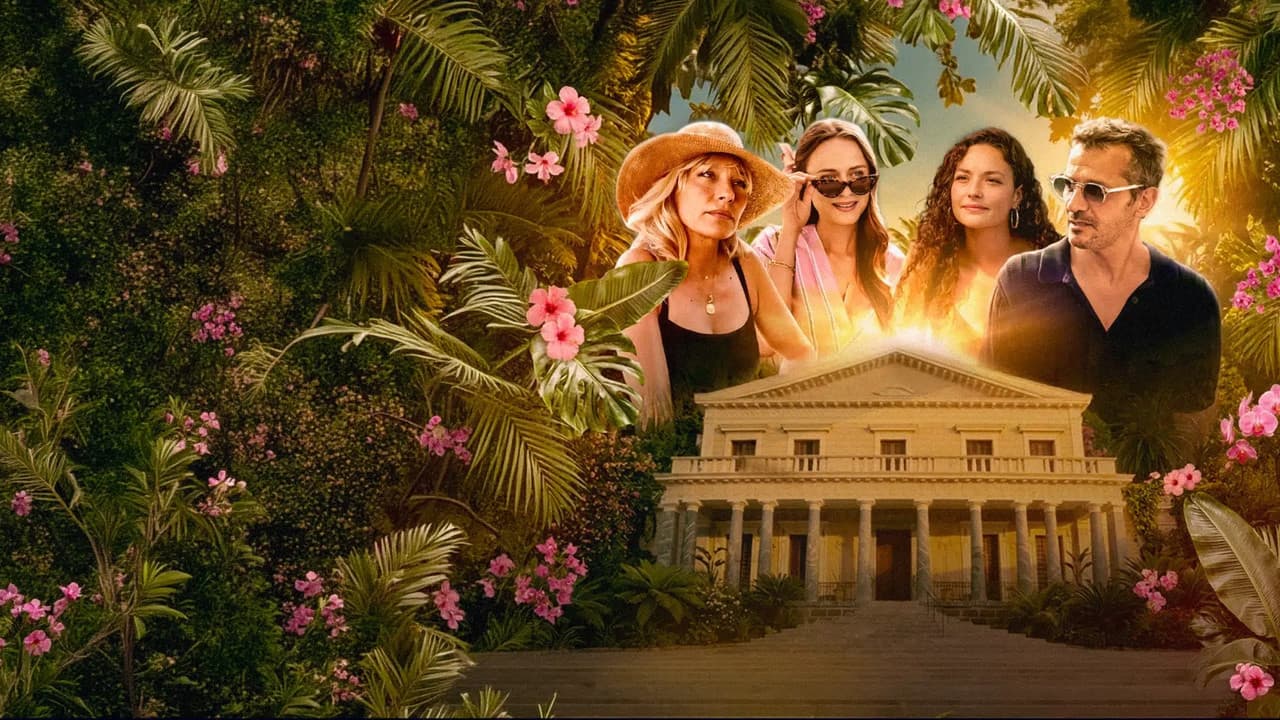
Tomorrow Is Ours
Can Karayel • September 15, 2026
Summarize this with AI
Rating
One of French television's longest-running daily series, Demain nous appartient is a bold production that blends police procedural elements with soap opera format in a small coastal town. Designed specifically for TF1's prime-time slot, this series combines the enchanting atmosphere of the Mediterranean coastal city of Sète with crime stories.
Holding an important place in French television history, Demain nous appartient has become a phenomenon that has captivated millions of French viewers every evening since 2017. With its daily broadcast format reminiscent of classic Turkish soap operas, this production masterfully blends police investigations set in the Mediterranean coastal city of Sète with the dramas of everyday life.
The series creators Eline Le Fur and Laure de Colbert have pioneered an unusual format for French television, constructing a structure suitable for daily broadcast flow. Demain nous appartient is essentially a fusion of two worlds: on one hand, it contains crime thriller elements, while on the other, the characters' family lives, romantic relationships, and personal dramas take center stage. This hybrid structure has transformed the series into a broad platform that appeals to both crime enthusiasts and viewers who love emotional stories.
By its third season, Demain nous appartient has achieved a mature narrative universe. The colorful streets, marina, and coastline of Sète are not merely a backdrop but have become almost a character in the series. Scenes shot in the city's real locations add authenticity and cinematic depth to the production. Considering that the daily series format is not very common in France, the boldness of this project becomes even more apparent.
Ingrid Chauvin, one of French television's experienced names, forms the backbone of the series. Alongside her, established actors like Charlotte Valandrey and Alexandre Brasseur bring depth to their characters. Lorie Pester's participation is an interesting detail: the famous French pop singer's transition to acting has added media appeal to the series. From the younger generation, Samy Gharbi and Solène Hébert bring fresh energy, portraying stories that appeal to different age groups.
One of the most striking aspects of Demain nous appartient is that it doesn't compromise on visual quality despite its daily broadcast pace. While each episode runs approximately 25 minutes, the production team impressively captures the Mediterranean light and Sète's architectural texture. The series' cinematography, especially in seaside scenes, offers an aesthetic almost like a vacation documentary. This visual richness is quite successful considering that daily series are typically associated with low budgets and quick shoots.
Looking at behind-the-scenes stories, Demain nous appartient's production process is truly impressive. Since the series airs five days a week, the team shoots approximately 250 episodes per year. This means a marathon-like work pace for actors and the technical crew. While writers must constantly produce new stories, they also need to consider long-term character development. Some characters remain on screen for years, while others come and go as short-term guests.
An interesting detail is the series' social media strategy. TF1 runs active campaigns on Instagram and TikTok to reach young viewers. Characters have their own social media accounts and make posts as if they were real people. This transmedia storytelling approach is quite effective in capturing the interest of Generation Z in particular.
The series' musical identity features light, melancholic tones reminiscent of Mediterranean breezes. The music usage designed to leave viewers curious for the next day at the end of each episode blends the American soap opera tradition with French sensibility. The opening theme music has become an icon of the series over time.
When evaluating Demain nous appartient from a Turkish viewer's perspective, the daily broadcast format is not entirely foreign to our culture. However, the courage to combine soap opera elements with the crime genre and the coastal town atmosphere offers a different texture from Turkish productions. Family values, intergenerational relationships, and social issues in the series are handled through universal themes.
In conclusion, Demain nous appartient fills an important gap in French television as a bold experiment in the daily series format. Although it occasionally falls into script repetitions in some episodes and the daily broadcast pace sometimes leads to quality losses, it's generally a watchable production. Especially if you're interested in Mediterranean atmosphere and fond of crime dramas, this series is definitely a production worth giving a chance. As of the third season, the maturation of characters and deepening of storylines make the series even more watchable.
Frequently Asked Questions
How many episodes does Tomorrow Is Ours have?
Tomorrow Is Ours (Demain nous appartient) is one of French television's longest-running daily series that began in 2017 and continues to air new episodes, with over 1,500 episodes produced to date. The series follows a daily broadcast format typical of French soap operas.
Where can I watch Tomorrow Is Ours with English subtitles?
Tomorrow Is Ours primarily airs on TF1 in France and may be available on international streaming platforms with subtitles depending on your region. Availability varies by country, so check local French content providers or international streaming services.
Is Tomorrow Is Ours worth watching with a 6.8 FoxFilm score?
With a 6.8/10 FoxFilm score, Tomorrow Is Ours offers solid entertainment for fans of daily soap operas and police procedurals set in a charming French coastal town. It's a well-produced series that successfully blends crime drama with ongoing character storylines.
Who created Tomorrow Is Ours French series?
Tomorrow Is Ours (Demain nous appartient) was created by Eline Le Fur and premiered in 2017. The series has become a staple of French daily television programming on TF1.