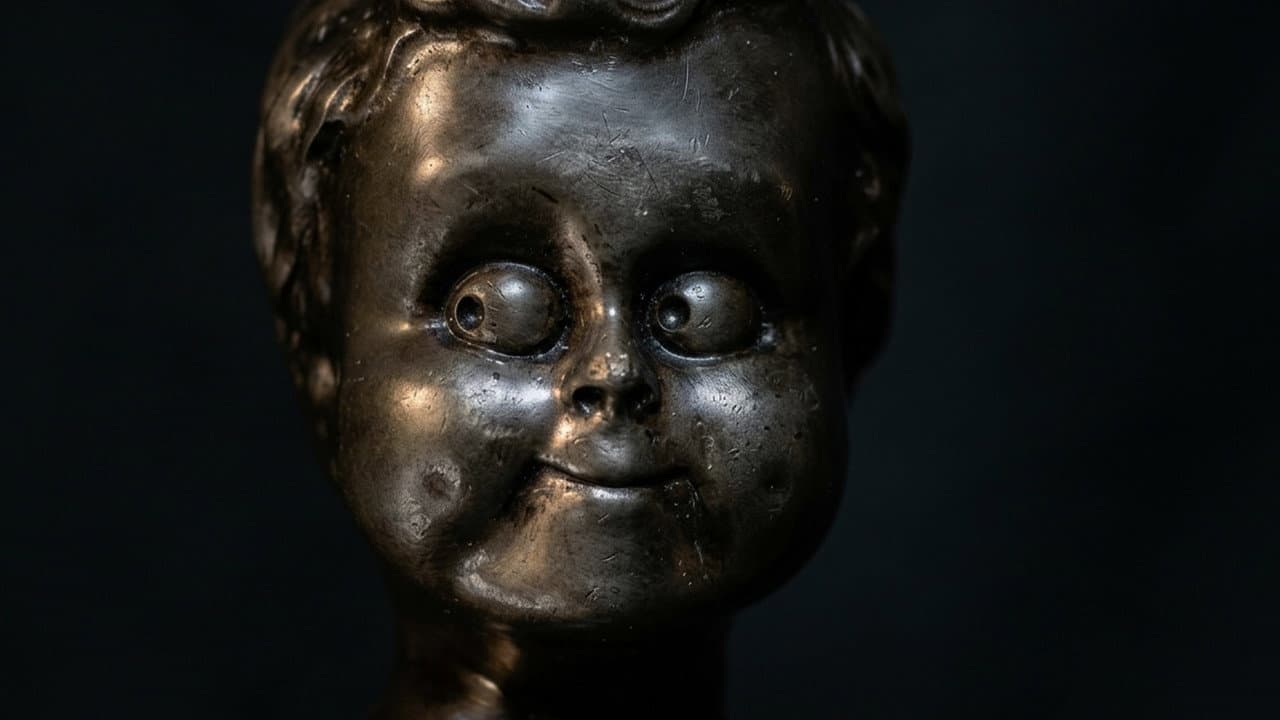
Hokum
Can Karayel • June 5, 2026
Summarize this with AI
Rating
Damian McCarthy's Hokum delivers a compelling folk horror experience that weaves traditional witchcraft motifs with contemporary horror filmmaking against the mysterious backdrop of the Irish countryside. Starring Adam Scott, the film unfolds at a remote inn and invites audiences to share in a deeply paranoid nightmare.
Irish cinema has seen a remarkable rise in the horror genre in recent years, and Damian McCarthy's Hokum stands out as one of the most notable entries in that wave. This 2026 folk horror draws on traditional Irish mythology while harnessing the psychological depth of modern horror cinema, promising an unforgettable experience for its audience.
The film's story begins when a writer researching material for his novels takes up residence at a remote inn in the Irish countryside. As the character portrayed by Adam Scott delves into local legends and tales of witchcraft, he finds himself increasingly entangled in events that are both terrifying and inexplicable. In his screenplay, McCarthy masterfully blurs the line between supernatural horror and the protagonist's own mental unraveling. While Hokum may initially appear to be a classic isolated horror story, as the film progresses it reveals the full richness of the folk horror tradition.
Damian McCarthy is a young director who first drew attention with short films, and Hokum is a work that proves his maturity in the feature-length arena. His visual storytelling is remarkably disciplined; rather than resorting to cheap jump scares, he transforms the atmosphere itself into a source of dread. The misty, desolate landscapes of the Irish countryside function almost as a second lead. From a cinematographic standpoint, with its use of natural light and long tracking shots, Hokum follows in the footsteps of modern folk horror classics like The Witch and Midsommar, yet manages to find its own distinctive voice.
An unconventional choice for Adam Scott's acting career, this role allows him to break entirely free from his comedic image. Portraying an anxious, obsessive writer, Scott convincingly conveys his character's gradual descent into paranoia. Irish actors such as Peter Coonan and David Wilmot play their local characters so naturally that the film's sense of authenticity is heightened considerably. Florence Ordesh's enigmatic character harbors one of the story's greatest secrets, and her performance leaves a lasting impression on the film.
Technically, Hokum is a remarkably ambitious production. The score is minimal yet effective, with unsettling arrangements of traditional Irish instruments used to intensify the atmosphere. The sound design may be the film's single greatest strength. The mysterious whispers heard during night scenes, distant screams, and the sounds of nature itself keep the audience in a constant state of unease. The editing pace is slow but deliberate; McCarthy builds tension without rushing, and that patience pays off as the film moves toward its final act.
Some intriguing details have also emerged from the production. The inn on Ireland's west coast where filming took place is said to be an authentic 18th-century structure that local residents genuinely believe to be cursed. Several crew members have claimed to have had strange experiences during the shoot, which has become an interesting anecdote used in the film's promotion. It is also noted that McCarthy worked with experts in Irish folklore while writing the screenplay, and that the magical rituals depicted in the film are grounded in genuine historical sources.
Hokum holds particular significance for Turkish audiences, as interest in the folk horror genre has been growing in our country in recent years. Since our own culture has deep-rooted traditions of sorcery and supernatural belief systems, the themes the film explores do not feel foreign. The motifs of isolation and social pressure in the Irish countryside echo similar dynamics found in Anatolian villages, and this universality makes the film all the more powerful.
Ultimately, Hokum is an excellent choice for viewers who seek deep atmosphere and psychological tension in horror cinema. While Damian McCarthy's identity as a filmmaker is solidified by this film, one of the finest examples of folk horror in the 2020s has emerged. Rather than offering quick resolutions and easy scares, the film leaves behind unsettling questions that linger in the viewer's mind long after the credits roll. There has always been a market in Turkey for this kind of slow-burn, atmospheric horror, and Hokum is a worthy contribution to that tradition.
Frequently Asked Questions
Is Hokum based on a true story?
No, Hokum is not based on a true story. However, director Damian McCarthy draws inspiration from traditional Irish folklore and witchcraft mythology to create an authentic folk horror atmosphere rooted in the cultural history of the Irish countryside.
Is Hokum worth watching?
With a FoxFilm score of 8.2/10, Hokum is definitely worth watching for folk horror fans, as it successfully blends traditional witchcraft themes with modern horror filmmaking techniques. McCarthy's atmospheric direction and the Irish countryside setting create a genuinely compelling horror experience.
Where was Hokum filmed?
Hokum was filmed in the Irish countryside, utilizing remote rural locations to enhance the film's folk horror atmosphere. The authentic Irish landscapes play a crucial role in establishing the mysterious and unsettling tone that defines the movie.
Is Hokum getting a sequel?
As of 2026, there has been no official announcement regarding a sequel to Hokum. Given that the film has just been released and Damian McCarthy's previous work has consisted of standalone films, it remains unclear whether a follow-up is planned.