House of the Dragon
Can Karayel • August 1, 2026
Summarize this with AI
Rating
Signed by George R.R. Martin and Ryan J. Condal, House of the Dragon sheds light on 200 years before the Game of Thrones universe, captivatingly bringing the rise and fall dynamics of the Targaryen Dynasty to the screen. This saga woven with dragons, betrayal, and power struggles stands out as one of HBO's most ambitious productions.
Following Game of Thrones' controversial finale, HBO made a bold move to reclaim the throne of the fantasy series world. House of the Dragon is not merely a continuation, but a daring dive into one of the darkest and richest periods of Martin's universe. This epic journey that began in 2022 examines a power struggle taking place during the golden age of the Targaryen Dynasty.
Fire and Blood: Anatomy of the Targaryen Drama
House of the Dragon, adapted from George R.R. Martin's historical chronicle Fire & Blood, tells the story of the internal decay of Westeros's most powerful dynasty. The series deals with the succession crisis that begins when King Viserys chooses his daughter Rhaenyra as his heir. This decision shakes the centuries-old patriarchal order and lights the fuse for the bloody civil war known as the Dance of the Dragons. The screenplay structure created by Ryan J. Condal and Martin offers a more focused and disciplined narrative compared to Game of Thrones. Every character choice, every political move transforms into a chain of disasters triggering each other with a domino effect.
The series' greatest strength is its avoidance of black-and-white morality. The conflict between Rhaenyra and Alicent Hightower is not reduced to a simple good-evil dichotomy. The relationship between the two women, evolving from former friendship to enmity, paints a painful portrait of how the patriarchal system pits women against each other. House of the Dragon masterfully explores the corrupting effect of power and how blood ties can become poisoned.
A Visual Feast: The Dance of Dragons
Cinematographically, House of the Dragon pushes the boundaries of television productions. The images emerging from the lenses of Fabian Wagner and Catherine Goldschmidt are cinema-quality. Particularly the dragon battles are recorded as one of the pinnacles of modern CGI technology. Daemon's attack with Caraxes at the Stepstones in the first season is, by itself, an action cinema masterpiece. Each dragon has its own unique character, color, and flight style; this detail reflects the care shown in world-building.
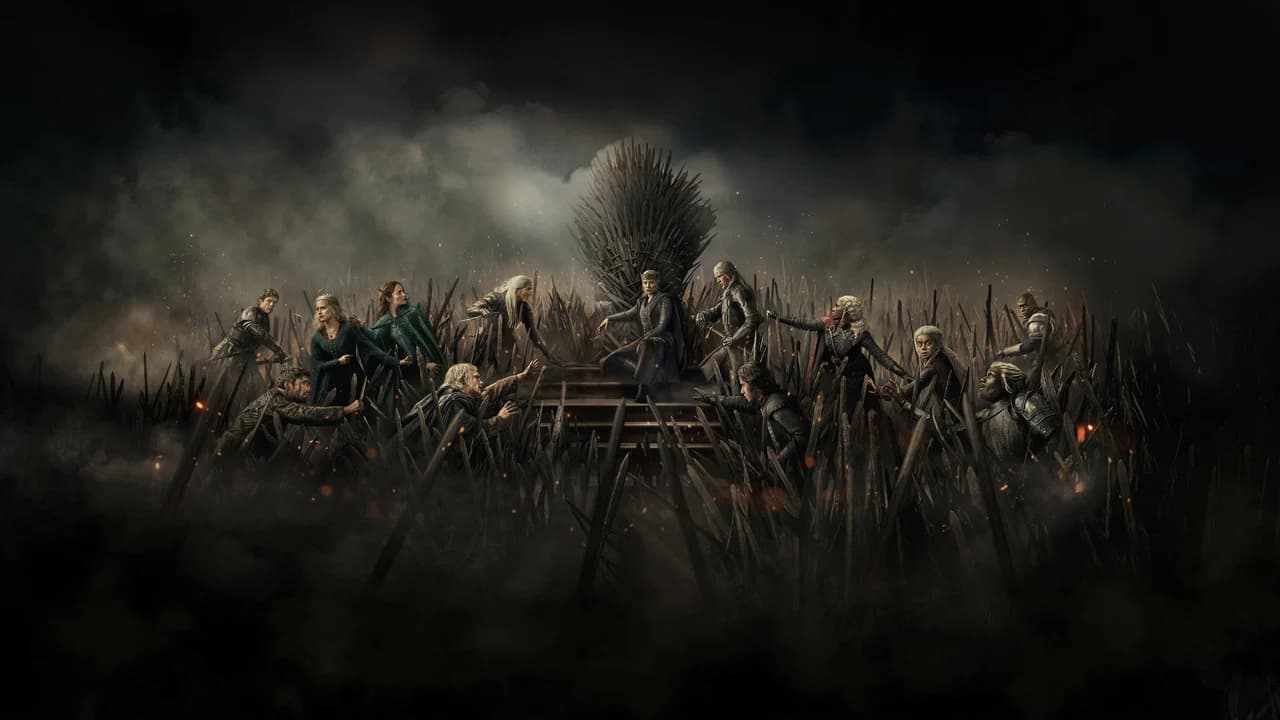
The production design rises upon the foundations laid by Game of Thrones but also finds its own identity. The architecture of the Targaryen era is brighter, more ostentatious. This version of the Iron Throne is much more dangerous and larger than in the original series, reflecting Aegon's conqueror vision. Costume designer Jany Temime tells each character's internal journey through their clothing; Rhaenyra's black-red armor is the visual manifestation of her transformation from princess to warrior.
The Power of Performances
Matt Smith delivers one of the most layered performances of his career in the role of Daemon Targaryen. With no trace left of his charming demeanor from Doctor Who, Smith creates in Daemon a charismatic psychopath, a loyal brother, and a passionate lover all at once. Emma D'Arcy's interpretation of Rhaenyra is the backbone of the series. Taking over the baton from Milly Alcock, who played young Rhaenyra, was not easy, but D'Arcy makes the character's maturation and hardening convincing.
Olivia Cooke's performance as Alicent Hightower is perhaps the series' most tragic element. A woman married to the king as a young girl, who over time becomes consumed by power lust but simultaneously struggles with her own moral compass. Cooke makes the internal conflict felt in every glance. Steve Toussaint's Lord Corlys Velaryon contributes to representation debates with a Black actor taking on a major role in a fantasy universe; Toussaint brings the necessary nobility and authority to the character.
Behind-the-Scenes Notes
The filming of House of the Dragon required a global production like Game of Thrones. It was shot in England, Spain, and Portugal. An interesting detail: The dragon sounds used in the series were created through manipulation of dolphin, seal, and tortoise sounds. The sound design team spent months creating a unique sound profile for each dragon.
Another noteworthy point: Matt Smith loved Daemon's wig so much that he didn't want to take it off even between sets. The production team made the decision to change actors rather than use aging makeup for the characters due to some makeup errors in the previous series. This bold decision, though initially difficult for viewers, later provided a more organic transition to the characters' evolution.
Musical Legacy
In the absence of Ramin Djawadi, German composer Ramin Djawadi... Jokes aside, Djawadi once again took on the music direction and created a new sound palette while preserving Game of Thrones' iconic themes. The Targaryen theme is unthinkable without the Latin chorus; this sonic texture emphasizes the dynasty's foreign origins and dramatic fate. Djawadi also adds oriental elements to traditional orchestral instruments, carrying Valyria's exotic heritage into the music.
Cultural Impact and Conclusion
House of the Dragon, rather than being crushed under Game of Thrones' controversial legacy, shows the courage to tell its own story. It also contains familiar themes for Turkish viewers: succession struggles, dynastic intrigues, dynamics of loyalty and betrayal. As an audience familiar with Ottoman history, it's not difficult to find parallels in the power struggles experienced by the Targaryens.
The series' feminist subtext is also noteworthy. Rhaenyra's struggle is the story of defending a woman's right to power in a male-dominated world. Alicent's tragic journey shows how the patriarchal system turns women into pawns. House of the Dragon asks very modern questions behind its fantastical elements: Who should power belong to? Is tradition or merit more important? Are blood ties more valuable than principles?
As it progresses toward the third season, House of the Dragon is emerging from being merely a prequel to becoming a masterpiece in its own right. HBO's plans to expand this universe continue; many projects are on the agenda, from the Jon Snow series to the Dunk and Egg adaptation. But for now, watching the dance of the Targaryen dragons means experiencing one of the greatest spectacles in television history. This saga filled with fire and blood proves that the golden age of fantasy television is still ongoing.
Frequently Asked Questions
Is House of the Dragon a prequel to Game of Thrones?
Yes, House of the Dragon is set 200 years before the events of Game of Thrones and focuses on the rise and fall of House Targaryen. The series was created by George R.R. Martin and Ryan J. Condal, expanding the Game of Thrones universe.
How is House of the Dragon related to Game of Thrones?
House of the Dragon takes place in the same universe as Game of Thrones but explores the history of the Targaryen dynasty centuries earlier. It provides backstory to the Targaryen family that was central to Game of Thrones, including the origins of their dragons and internal conflicts.
Is House of the Dragon worth watching?
With a FoxFilm score of 8.7/10, House of the Dragon is definitely worth watching, especially for fans of the Game of Thrones universe. The series captivates viewers with its compelling portrayal of Targaryen family dynamics and political intrigue.
What book is House of the Dragon based on?
House of the Dragon is based on George R.R. Martin's book 'Fire & Blood', which chronicles the history of House Targaryen. The series specifically adapts the sections dealing with the Targaryen civil war known as the Dance of the Dragons.