The Good Lawyer
Can Karayel • November 22, 2026 • Written with AI assistance
The Good Lawyer: plot in brief
İyi Avukat's starting point is striking. A lawyer who overdoses in the courtroom enters rehab, with only one week to prepare for his hearing.
Summarize this with AI
Want to see more FoxFilm reviews in your Google results? Add us as a preferred source.
Add FoxFilm as a preferred source on GoogleRating
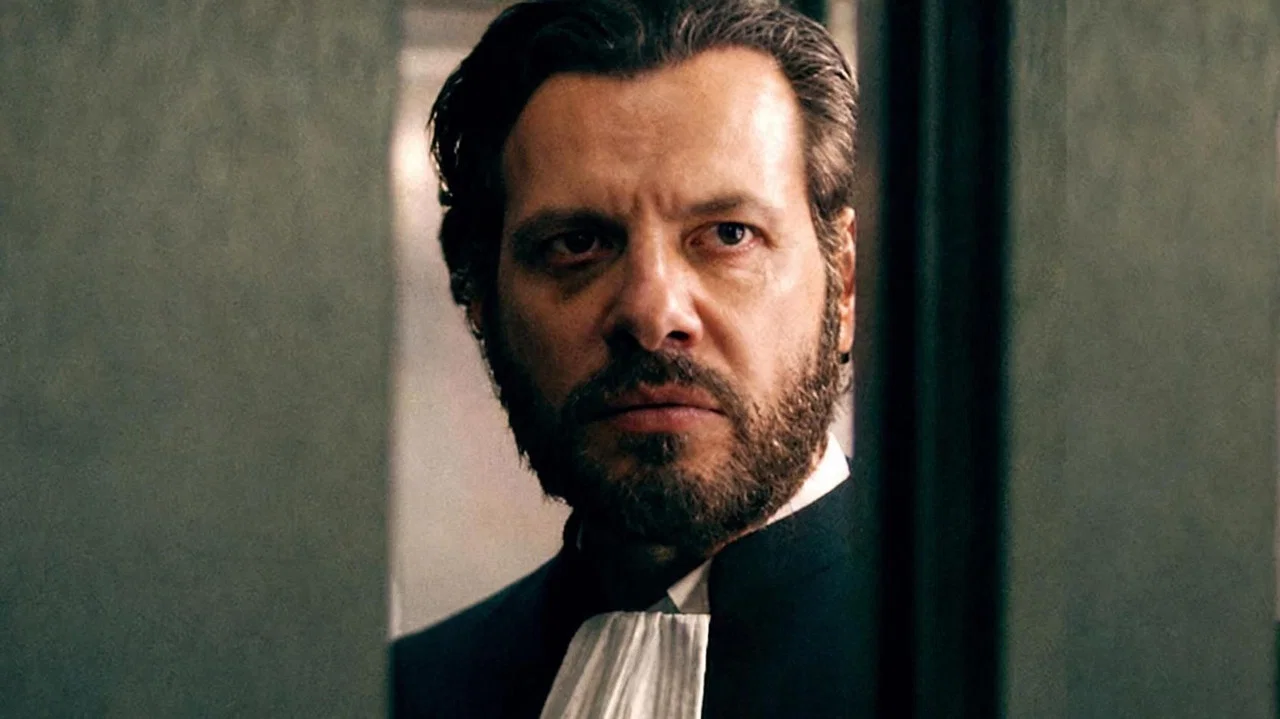
İyi Avukat (Un bon avocat) is a French thriller drama directed by Tristan Séguéla about a lawyer trying to save his career after an overdose in the courtroom. Starring Laurent Lafitte, Anthony Bajon and Mélanie Laurent, the film is among the notable courtroom films of 2026.
Courtroom films are one of cinema's oldest and most reliable refuges: a hall, a judge, two sides and a search for the truth. In recent years French cinema has made this tradition fashionable again with Anatomie d'une chute. Tristan Séguéla's İyi Avukat (Un bon avocat) arrives in exactly this climate, as one of the most intriguing French productions of the 2026 release slate. Turkish audiences have a broad collective memory that stretches from the conscientious lawyer figures of Yeşilçam to the legal series of the Netflix era. So the film enters through a familiar door and opens onto an unfamiliar corridor.
Story and screenplay
İyi Avukat's starting point is striking. A lawyer who overdoses in the courtroom enters rehab, with only one week to prepare for his hearing. His one companion is his intern. This setup gives the film two powerful engines: a ticking-clock thriller and a master-apprentice relationship. The irony of the title is felt from the start. Who is a good lawyer? The one who wins the case, or the one who can face his own collapse? The screenplay is at its best when it weaves this question into the suspense.
The one-week deadline builds a classic but effective structure. As genre conventions dictate, time narrows a little more each day, and every new clue or confession complicates the hero's defense, both legal and moral. At 121 minutes, the film is roomy enough to carry this structure, but advancing an addiction drama and a courtroom thriller at the same pace is not easy. Some side threads dilute the intensity of the main conflict. Even so, İyi Avukat shows the nerve to combine a personal downfall with a legal puzzle.
Direction and cinematography
Séguéla's approach leans on function rather than flash. In films like this, the courtroom is both a stage and a prison. The camera hunts for the cracks in faces with close-ups, while a more sterile, cold visual language in the rehab settings makes the tension between the hero's two worlds visible. This duality is the film's visual backbone. The heavy, wooden, authoritarian texture of the court is set against the open, empty, defenseless atmosphere of the clinic.
There is also a familiar point of comparison for Turkish viewers. Scenes reminiscent of the inner tension that Yılmaz Güney and Ömer Kavur built through silent gazes stand out, especially in the moments when the lawyer looks at his own body and past. The direction sometimes stays in safe waters, but it is controlled enough to keep the tension breathing.
Performances
The film's greatest asset is its cast. Laurent Lafitte is one of the rare French actors who can combine the discipline of his Comédie-Française background with the unsettling charisma he showed in Paul Verhoeven's Elle. As a fallen but still sharp lawyer, he can carry confident oratory and brittle desperation in the same frame. The greatest danger with such characters is exaggeration, but Lafitte works with fine adjustments.
Anthony Bajon won the Silver Bear in Berlin for his performance in Cédric Kahn's La Prière. He knows how to play addiction and faith with authenticity. As the intern, his presence gives the film both an emotional balance and a moral compass. The chemistry between him and Lafitte forms the heart of İyi Avukat. Mélanie Laurent has been one of European cinema's most versatile faces since Inglourious Basterds. Here she shines in a limited but weighty space. Carole Bouquet brings a distinct gravity to the screen with the authority of a career stretching from Buñuel to a Bond film. The supporting roles of Gédéon Ekay and Béatrice Facquer also strengthen the texture of the ensemble.
Technical details
Editing is the heart of a courtroom drama. The rhythmic alternation between hearing scenes and preparation sequences is decisive in the film's pacing. The one-week deadline provides fertile ground for clear divisions between days and for sudden jumps. The music stays close to the genre's usual path: low-frequency textures that build tension and a tone that recedes in emotional moments. The score doesn't carry the story, but it doesn't smother it unnecessarily either. The production design uses the contrast between the court, the office and the rehab settings intelligently.
Behind the scenes and interesting notes
The first note concerns the growing interest in legal cinema in France. The courtroom is frequently brought to the screen in the country as a stage for both intellectual and popular debates, and this wave prepares a receptive audience for films like İyi Avukat that bring fresh air to the genre. The second note concerns casting: Lafitte and Bajon represent two different generations and schools of acting in French cinema. The meeting of theatrical discipline and natural, fragile acting in the same film is an interesting experiment in itself. The third note is Carole Bouquet's place in film history. A journey from Buñuel's That Obscure Object of Desire to being a Bond girl helps us understand the mark she leaves on screen even in a supporting role.
Conclusion and cultural impact
İyi Avukat is not a film that breaks the boundaries of its genre. But it succeeds in taking a classic courtroom thriller to a human place through the themes of addiction and atonement. Its TMDB score of around 6.6 sums up the film's character well: it appeals to a broad audience without winning everyone over. It is a worthwhile choice for fans of legal drama in Turkey, for viewers seeking French cinema's quiet but solid storytelling, and for those who want an acting-driven thriller. The duo created by Lafitte and Bajon is the most important element that rescues the film from mediocrity. In the end, even if it is not flawless, İyi Avukat is a respectable production that dares to walk the fine line between justice and conscience.
Frequently Asked Questions
What is The Good Lawyer about?
The Good Lawyer (Un bon avocat) is a French thriller drama directed by Tristan Séguéla. A lawyer overdoses in the courtroom and enters rehab, with only one week to prepare for his hearing. His one companion is his intern, which adds a master-apprentice relationship to the ticking-clock story.
What genre is The Good Lawyer?
The Good Lawyer is a Thriller and a Drama. It mixes courtroom-thriller tension with a drama about a lawyer's personal collapse.
Who stars in The Good Lawyer?
The film stars Laurent Lafitte, Anthony Bajon and Mélanie Laurent. It is directed by Tristan Séguéla.
What language is The Good Lawyer in?
The Good Lawyer was originally made in French.
How long is The Good Lawyer?
The Good Lawyer runs 2 h 1 min (121 minutes).
Where can I watch The Good Lawyer?
In Turkey, The Good Lawyer is available on Netflix.