The Polygamist
Can Karayel • September 17, 2026
Summarize this with AI
Rating
Netflix's bold production Poligam masterfully explores the clash between social media's fake perfectionism and South Africa's polygamy tradition. Supported by Gugu Gumede's jaw-dropping performance, the series offers a social critique that questions the modern institution of marriage.
Created by Akin Omotoso, Poligam stands out as one of Netflix's most talked-about productions of 2026. Continuing the momentum that South African cinema has gained on international platforms in recent years, this series presents a compelling narrative by blending a universal theme with a local perspective.
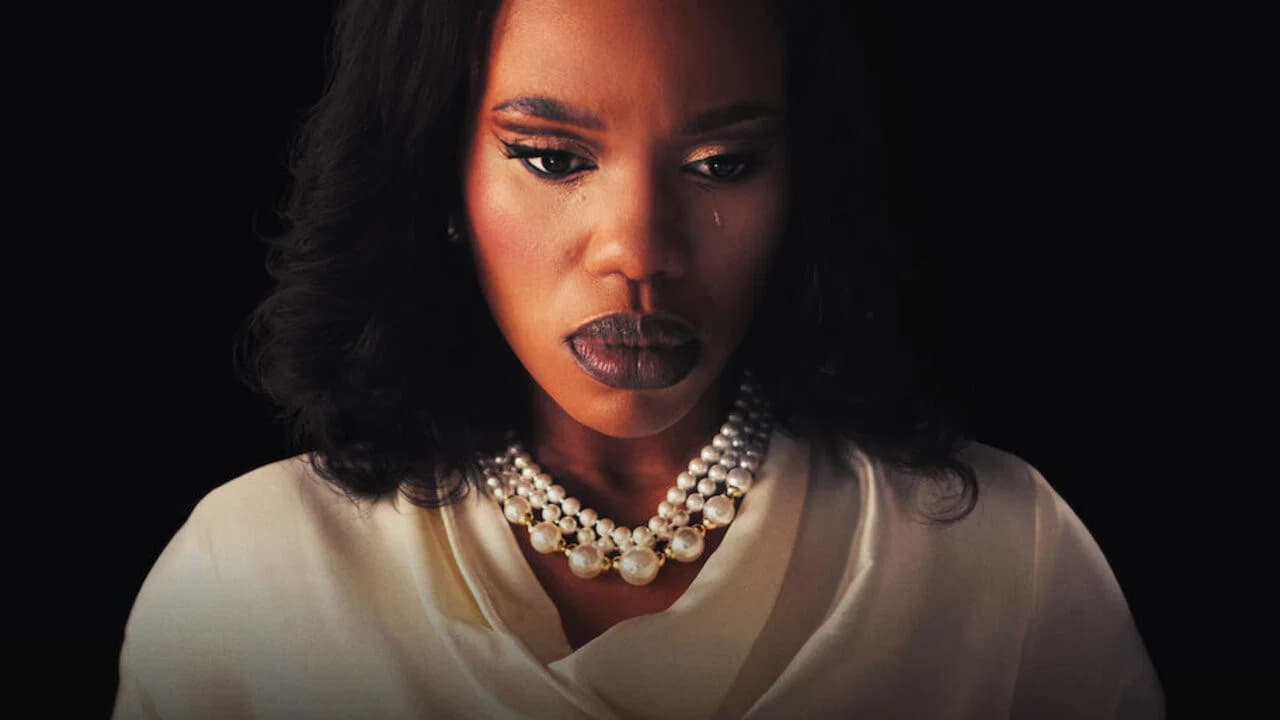
The central character Joyce is a living manifestation of the perfect life illusion of the Instagram and TikTok era. This social media influencer, portrayed by Gugu Gumede, wins the admiration of her followers with her flawless makeup, elegant marriage, and posts depicting an exemplary family life that garner thousands of likes. But when the camera turns off, the real face emerges. Poligam not only views this hypocrisy as an individual crisis but also examines it as a societal phenomenon.
The screenplay skillfully navigates between past and present with a non-linear timeline. This narrative technique reveals layer by layer how Joyce's perfect marriage mask cracks. As her husband's infidelities are exposed, the viewer not only witnesses a story of betrayal but also delves into the depths of the conflict between traditional polygamy understanding and modern monogamy expectations.
Akin Omotoso's direction masterfully combines South African cinema's distinctive rhythm with Netflix's international production standards. Omotoso had previously drawn attention with socially conscious works like Man on Ground and Vaya. In Poligam, he boldly tackles social taboos. The series' visual language is built on the contrast between social media aesthetics and the ugly face of real life. Bright colors and filter-corrected scenes suddenly transform into raw and unfiltered reality.
Gugu Gumede's performance forms the backbone of the series. Although Gumede is one of South African television's stars, she reaches the peak of her career with this role. In portraying the character of Joyce, she avoids falling into a superficial influencer cliché. She reflects the character's fragility, anger, disappointment, and ultimately inner strength in a layered manner. Particularly the silent collapse in the scene where she learns of her husband's betrayal is one of the unforgettable moments in television history.
The husband character portrayed by S'Dumo Mtshali is elevated beyond a one-dimensional villain figure. The screenplay presents him as a man caught between traditional values and modern expectations. This approach is one of the series' boldest aspects because it avoids easy judgments and forces the viewer to think. The performances of Kwanele Mthethwa and Kenneth Nkosi in supporting roles also add depth to the narrative.
Poligam's cinematography perfectly captures the visual language of the social media age. The visual palette that begins with bright lights, soft focus, and pastel tones hardens and darkens as the real face emerges. Camera angles also serve the narrative. While Joyce's social media posts use wide angles and perfect compositions, real-life scenes employ the shaky close-ups of handheld cameras.
The music design draws from South Africa's rich musical heritage but is blended with a global sound sensibility. Amapiano and Afrobeat elements merge with electronic music to create the series' emotional pulse. Especially the music used in scenes depicting Joyce's emotional breakdown penetrates the viewer's soul.
One of Poligam's most intriguing aspects is the behind-the-scenes details about the production process. The series' screenplay was adapted from the autobiographical novel of a South African female writer. The writer, who experienced a similar situation in real life, served as a consultant for the screenplay. The production team conducted interviews with real influencers and observed their daily routines to accurately reflect influencer culture. Gugu Gumede, while preparing for the role, opened a fake Instagram account for three months and experienced influencer life.
The series was filmed in Johannesburg and Durban. Behind the visual richness lies a serious research process. The production designer took care to reflect South Africa's diversity when designing homes representing different socioeconomic classes. The contrast between the home Joyce arranges for social media and the spaces she actually lives in is the fruit of this effort.
Poligam is not just a story of infidelity. It's a production that boldly questions the crisis of the modern marriage institution, the illusions created by social media, and the tension between traditional values and contemporary life. As one of the successful examples of Netflix's strategy of investing in South African productions, it shows how local stories can meet universal themes.
The series' feminist perspective is also noteworthy. Joyce's journey is not a victim's revenge story but a woman's process of rediscovering herself and breaking free from societal expectations. When the scandal breaks, Joyce confronts not only her husband but also the societal pressures that force her to be perfect. This approach saves the series from clichéd soap opera molds.
For Netflix viewers in Turkey, Poligam offers familiar themes despite cultural differences. The pressure of fake perfection on social media, the troubles of the marriage institution, and societal judgments are universal experiences. It's no coincidence that the series has reached an impressive TMDB score of 8.884. International audiences find something of themselves in this authentic and bold narrative.
In conclusion, Poligam is a candidate to be one of the productions that left its mark on the television world in 2026. Akin Omotoso's vision, the strong cast, and the bold screenplay transform the series into much more than an ordinary soap opera. The importance of Netflix giving space to local stories on its global platform is proven once again. Poligam doesn't just entertain, it makes you think and sparks discussion. Isn't that the distinguishing feature of great series?
Frequently Asked Questions
Where can I watch The Polygamist series?
The Polygamist is a Netflix original series that premiered in 2026. You can stream all episodes exclusively on Netflix with a subscription.
Who stars in The Polygamist Netflix series?
The Polygamist features Gugu Gumede in a standout leading performance. The series was created and directed by Akin Omotoso.
Is The Polygamist worth watching with an 8.7 FoxFilm score?
Yes, with an impressive 8.7/10 FoxFilm score, The Polygamist is highly worth watching for its masterful exploration of social media culture clashing with South African polygamy traditions, elevated by Gugu Gumede's exceptional performance.
Is The Polygamist based on a true story?
While not based on one specific true story, The Polygamist draws from real South African polygamy traditions and contemporary social media culture. The series explores authentic cultural practices within a fictional narrative framework.