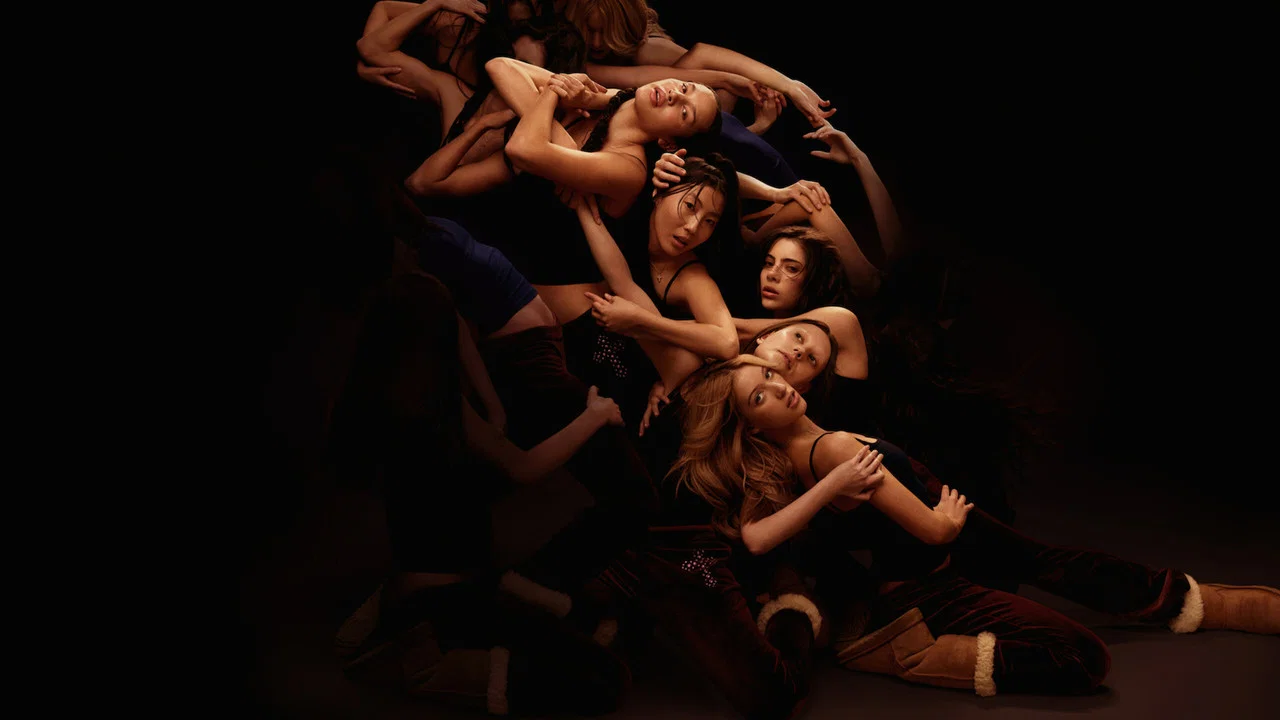
The Body
Can Karayel • November 25, 2026 • Written with AI assistance
The Body: plot in brief
The Body follows a girls' dance squad in a small town. When the group holds an initiation ritual for new members on Halloween night, it spirals out of control, and the girls are caught between guilt, demonic desires and unsettling dreams.
Summarize this with AI
Want to see more FoxFilm reviews in your Google results? Add us as a preferred source.
Add FoxFilm as a preferred source on GoogleRating
Directed by Quinn Shephard, The Body, Netflix's 2026 mystery series, reads the world of cheerleaders through ritual, guilt, and repressed desire. Blending small-town horror with female friendship and the search for identity, the series is one of the genre's boldest experiments.
Introduction: The Town, the Pom-Poms, and Sin
For decades, American high school films have used cheerleaders as symbols of the flawless smile, popularity, and a merciless hierarchy. Bring It On told this world with cheer, Heathers with dark humor, and Jennifer's Body with a bloody joke. The Body brings a far more serious question to the same world: where does a group of young girls bury the guilt they nurture within themselves? Netflix's 2026 series begins with an initiation ceremony that turns into a nightmare on Halloween night, and turns the genre's familiar patterns into a moral inquiry. Halloween is not a deeply rooted tradition in Türkiye, but neighborhood pressure, the pacts of silence in closed communities, and secrets that no one says out loud are anything but foreign to us. Viewers accustomed to the Dabbe series, which blends horror with faith, may feel a surprising closeness to the world of The Body.
Story and Screenplay
The core of the series is simple but fruitful: in a small town, a dance team made up of girls organizes a ritual for its new members. The night spirals out of control, and the group is tossed among guilt, demonic desires, and uncanny dreams. The screenplay's smartest aspect is its refusal to separate the supernatural from the psychological. The viewer is constantly left with the same question: have these girls truly been cursed, or are their consciences haunting them? Among the key themes, female friendship, the experience of being in the closet, and the pains of growing up stand out. This sets the series apart from ordinary teen horror and brings it closer to a story of identity. The mention of sexuality and desire in the same breath as the devil reads like a direct metaphor for the shame that conservative small-town culture places on young people. The mystery plot moves forward by leaking out a piece of information in each episode. Still, the series sometimes loses its tone and slips into melodrama; in a seven- or eight-hour narrative, this is a forgivable flaw.
Direction and Cinematography
In her first film, Blame, Quinn Shephard drew inspiration from Arthur Miller's The Crucible and turned high school hallways into a modern witch hunt. In Not Okay, she turned the fake victimhood of the internet age into a comedy that cuts like a knife. In The Body, these two interests merge: mass hysteria and collective guilt. Rather than taking the shortcut of horror aesthetics, the visual language leans on the uncanniness of the everyday. The gym, the locker room, and the deserted neighborhood streets, framed in autumn colors, create an atmosphere that is both familiar and disturbing. The camera's closeness to the girls' faces and bodies makes us think of the body in the show's title as both an object of desire and a crime scene. The dream sequences are the series' most ambitious parts; the transitions between reality and nightmare are often seamless and unsettling.
Performances
The cast includes names such as Kristina Bogic, Geena Meszaros, Sara Boustany, Louisa Krause, Shirley Chen, and Nnamdi Asomugha. The series' strength lies in trusting ensemble acting rather than leaning on a single star. The young actors convey the power dynamics and secret intimacies within the group more through glances than words. Among the adult characters, Krause and Asomugha represent the town's authority and its silence with measured weight. Some supporting characters cannot fully escape the limits of types, but the main girls' shared scenes stand out for their sincerity.
Technical Details
The editing prefers to create tension by extending scenes; it works more with the weight of silence than with short shock cuts. Sound design is the real carrier of fear: a distant whistle, the sound of breathing, and footsteps echoing in empty spaces frequently take the place of music. The score, meanwhile, is balanced by electronic textures that feed the tension in the ritual scenes and by song selections that capture the teenage atmosphere. The production design builds the town high school and the home interiors with convincing detail; the contrast between the pom-pom colors in the costumes and the cold tones of the night scenes seems a deliberate choice.
Behind the Scenes and Fun Facts
First, Shephard is not only a director but also someone with an acting background; in Blame she wrote, directed, and played the lead role. This lets her read a scene from the inside when working with young actors. Second, the fact that Blame was directly inspired by The Crucible shows that the theme of ritual and collective guilt in The Body has been a longtime obsession in the director's work. Third, reaching a score of around 8.0 on TMDB is remarkable for a newly released horror-mystery production; this score may have come less from fans of the genre than from young viewers who connect with the show's theme of identity. Fourth, the history of cheerleaders in horror cinema stretches back to Carrie; The Body turns this legacy toward the dark side of female friendship.
Conclusion and Cultural Impact
The Body is not a flawless series; its pacing sometimes fluctuates and its mystery plot is at times predictable. But its reinterpretation of the genre's clichés through a story of the closet and moral guilt makes it memorable. For Netflix's young, urban audience in Türkiye, this series could be a conversation-starting production that sits somewhere between Euphoria and Yellowjackets. If you love teen horror not only for its screams but also for its silence and conscience, The Body is one of the boldest experiments of this season.
Frequently Asked Questions
What is The Body about?
The Body is a 2026 Netflix mystery series about a dance team of girls in a small town that holds a ritual for its new members on Halloween night. The night spirals out of control, and the group is left with guilt, demonic desires, and uncanny dreams. The series keeps asking whether the girls are truly cursed or whether their own consciences are haunting them.
What genre is The Body?
The Body is a mystery and drama series. It blends small-town horror with themes of female friendship and the search for identity. The mystery plot moves forward by revealing a piece of information in each episode.
Who directed The Body?
The Body was directed by Quinn Shephard. The 2026 series examines the world of cheerleaders through ritual, guilt, and repressed desire.
What language is The Body in?
The Body was originally made in English.
Who is in the cast of The Body?
The cast includes Kristina Bogic, Geena Meszaros, Sara Boustany, Nnamdi Asomugha and Louisa Krause.
How many seasons and episodes does The Body have?
So far The Body has 1 season and 8 episodes in total.
Where can I watch The Body?
In Turkey, The Body is available on Netflix.