True Detective
Can Karayel • January 20, 2024
Summarize this with AI
Rating
True Detective, bearing Nic Pizzolatto's signature, left an indelible mark on television history with its anthology format — transforming the detective genre into a philosophical journey and telling a different dark story with each season. The first season, elevated to the pinnacle of modern television by the unforgettable performances of Matthew McConaughey and Woody Harrelson, now returns for its fourth installment, bringing Jodie Foster and Kali Reis together in the icy darkness of Alaska.
When it premiered on HBO in 2014, True Detective created a phenomenon that redrew the boundaries of television drama, grounding the detective genre in a philosophical landscape stretching from Nietzsche to Lovecraft. This anthology series, created by Nic Pizzolatto, had the audacity to tell a brand-new dark story with each season — in a different geography, with entirely different characters. Having achieved cult status in Turkey as well, particularly among viewers seeking quality content, the show's fourth season incorporates the creativity of Issa López and confronts us with a new mystery in the freezing cold of Alaska.
The Anatomy of Darkness: Story and Screenplay
While True Detective's first season follows a serial killer investigation in the swamplands of Louisiana, it ultimately transforms into a profound meditation on time, memory, and the dark corners of human nature. Rust Cohle and Martin Hart's 17-year obsessive pursuit is not merely about catching a criminal; it is the story of two men confronting the darkness within themselves. Pizzolatto's screenplay shatters the conventions of detective storytelling, blending existentialist philosophy with Southern Gothic atmosphere.
In the fourth season, Liz Danvers — played by Jodie Foster — and Kali Reis's Evangeline Navarro find themselves locked onto a mysterious case in the Alaskan town of Ennis, beginning with missing researchers and a frozen corpse. This new narrative crafted by López skillfully weaves together Indigenous mythology, the climate crisis, and the struggle of female detectives within a male-dominated system. Both seasons employ True Detective's signature multi-layered temporal storytelling, allowing past and present to intertwine seamlessly.
Visual Poetry: Cinematography and Directorial Vision
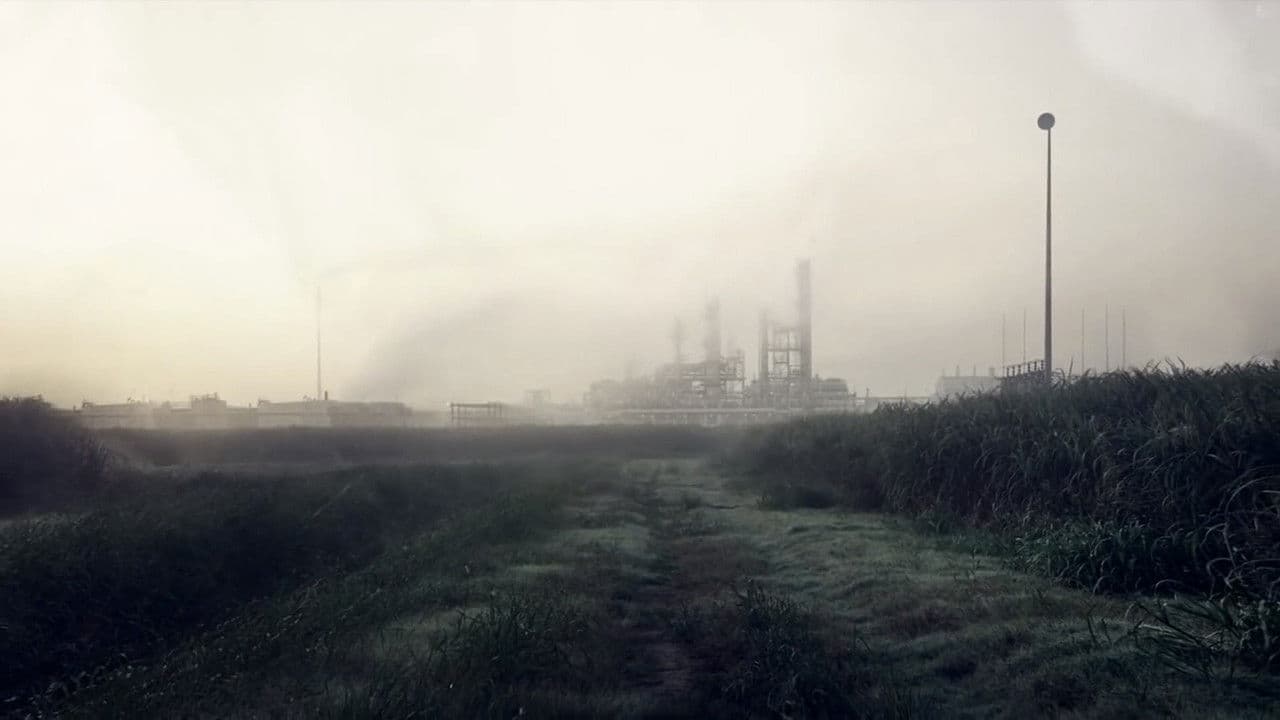
True Detective's cinematography is nearly as important as any character in the series. In the first season, Cary Joji Fukunaga's direction and Adam Arkapaw's cinematography brought Louisiana's humid, decaying atmosphere to the screen, while a six-minute unbroken tracking shot became one of the most discussed technical achievements in television history. Every frame is rendered like a painting from the Southern Gothic tradition — rusted trailers, abandoned churches, endless swamplands.
In the fourth season, Icelandic director Issa López uses Alaska's icy, boundless white expanse as a psychotic canvas. The six months of unbroken darkness during polar night becomes a metaphor for the characters' mental deterioration. Florian Hoffmeister's camera work transforms frozen landscapes into a Gothic nightmare aesthetic. True Detective succeeds in creating a distinct visual identity with each season — and this remains the anthology format's greatest achievement.
The Weight of Stars: Acting Performances
Matthew McConaughey's Emmy win for his portrayal of Rust Cohle was no accident. The impact of this nihilistic, temporally disoriented, substance-addicted detective sparked a renaissance in McConaughey's career. Woody Harrelson's Martin Hart provided the perfect counterweight — an ordinary, family-man cop, the wall against which Cohle's philosophical monologues crashed and rebounded.
In the fourth season, Jodie Foster delivers one of the most mature performances of her career. The character of Danvers is a complex woman who conceals a fragility beneath her authoritarianism and wrestles with a traumatic past. Kali Reis's Navarro, as a detective of Indigenous heritage, battles both a struggle for cultural identity and her own personal demons. The chemistry between the two actresses carries True Detective into new territory after the male-dominated earlier seasons.
Architects of Atmosphere: Music and Sound Design
The first season's soundtrack, curated by T Bone Burnett — and in particular The Handsome Family's opening theme Far From Any Road — perfectly captures the spirit of the series. A blend of blues, country, and ambient music, the soundtrack gives voice to the soul of Louisiana. In the fourth season, Katja Ebbersmeyer's score makes the ice-cold silence of Alaska palpable in the listener's ears.
Sound design is also one of True Detective's most powerful tools for building atmosphere. The howl of the wind, the creak of frozen ground, mysterious sounds drifting from a distance — all of these place the viewer in a state of sustained psychological unease.
Behind-the-Scenes Secrets
For the first season, Matthew McConaughey lost 50 pounds and chose to smoke between every scene — and even to never fully break character — in order to embody his character's obsessive nature. Woody Harrelson and McConaughey are close friends in real life, and they continually improvised on set, enriching the screenplay in the process.
Nic Pizzolatto faced harsh criticism when the second and third seasons failed to recapture the success of the first. Bringing Issa López on board for the fourth season renewed the series both thematically and aesthetically. López, a Spanish-speaking Mexican director, conducted extensive research into the stories of Alaska's Indigenous peoples and worked closely with cultural consultants.
The six-minute unbroken tracking shot in the first season was actually filmed three minutes longer than originally planned, because Fukunaga decided to add extra details. The scene was shot eight times, and the version used in the final cut was the sixth take.
Cultural Resonance and Lasting Impact
True Detective has entered television history as one of the most significant works of the prestige TV era. In Turkey as well, it spread rapidly among viewers seeking quality content, particularly when it became available on BluTV and other platforms. The series' philosophical depth, cinematic visuals, and acting performances were met with widespread praise from Turkish film and television critics.
True Detective's success paved the way for similarly atmospheric mystery series in subsequent years, including Big Little Lies, The Outsider, and Mare of Easttown. Thanks to the anthology format, different star actors were able to participate in each season — a fact that further cemented HBO's prestige.
In conclusion, True Detective is an extraordinary production that transforms the detective genre into a vehicle for artistic expression, capturing the soul of a different dark geography with each season. Resurgent with its fourth installment, the series places the power of female detectives and the stories of Indigenous peoples at its center, breathing new life into contemporary storytelling. This television masterpiece, shot with cinematic quality, envelops the viewer in its visual and philosophical depth with every single frame.
Frequently Asked Questions
Is True Detective: Night Country connected to previous seasons?
True Detective: Night Country is part of the True Detective anthology series, maintaining thematic connections to earlier seasons while telling a completely standalone story with new characters. You don't need to watch previous seasons to understand Night Country, though fans may appreciate subtle references to the show's broader mythology.
Who created True Detective: Night Country?
True Detective: Night Country was created and directed by Issa Lopez, marking a departure from series creator Nic Pizzolatto who helmed the first three seasons. Lopez brings a fresh perspective while honoring the philosophical and atmospheric tone that defined the original series.
Where can I watch True Detective: Night Country?
True Detective: Night Country is available exclusively on HBO and the Max streaming platform. The series premiered in January 2024 as the fourth season of the True Detective anthology.
Is True Detective: Night Country worth watching?
With a FoxFilm score of 9.2/10, True Detective: Night Country is highly worth watching as it successfully revitalizes the franchise with Issa Lopez's atmospheric direction and compelling mystery. The series delivers the philosophical depth and dark tone fans expect while offering a fresh creative vision.