Yan Yana
Can Karayel • May 15, 2026
Summarize this with AI
Rating
Director Mert Baykal blends the iconic French cinema friendship story with the class-based realities of Turkish society, delivering an emotionally resonant and powerful adaptation. The chemistry between Haluk Bilginer and Feyyaz Yiğit forms the beating heart of the film.
Turkish cinema has been showing growing interest in foreign adaptations in recent years. Mert Baykal's directorial effort, An Anatomy of an Abstract Expressionist Friendship, or Otherwise Known as Side by Side, offers both a bold and a debatable example of this trend. The film is a Turkish adaptation of Intouchables — the global phenomenon that grossed $460 million worldwide and made waves at the Cannes Film Festival. Rather than transferring the story beat for beat, however, Baykal chooses to embed it within Istanbul's socioeconomic fabric.
The film's long and striking title is directly connected to the artistic references woven throughout its narrative. The wealthy art collector character of Philippe, played by Haluk Bilginer, lives surrounded by abstract expressionist works, just as in the original. The movement's emphasis on freedom and spontaneity runs parallel to the film's central theme: the genuine friendship forged between two people from opposite ends of the social spectrum, stripped of all prejudice.
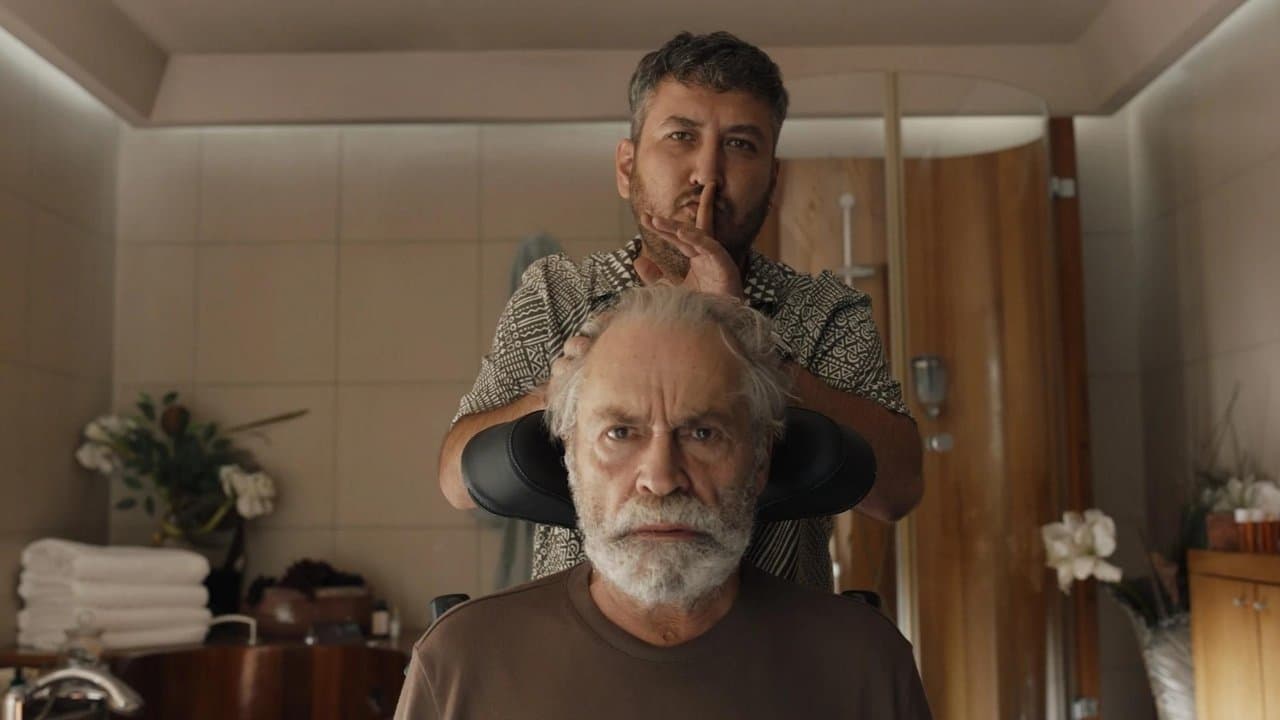
The story begins when a wealthy businessman living in a magnificent waterfront mansion on the Bosphorus is left paralyzed from the neck down following a paragliding accident. For a man who has spent his life in luxury, the hardest part is not the physical disability itself, but the reality that he can no longer be independent. The character of Driss, played by Feyyaz Yiğit, is a young man who shows up to the job interview merely to collect his unemployment benefits — a man with low expectations from life but a free spirit. Their encounter creates one of those rare moments in Turkish cinema where class differences are addressed this directly.
The greatest strength of An Anatomy of an Abstract Expressionist Friendship, or Otherwise Known as Side by Side is undoubtedly its performances. Haluk Bilginer appears in one of the most physically demanding roles of his career. Conveying his character's inner journey through facial expressions and vocal tone alone is the very definition of masterful acting. Bilginer's character is sardonic, razor-sharp, and at the same time consumed by a profound loneliness. It is reported that the actor spent months working with physiotherapists to portray a paralyzed character, even experiencing life in a wheelchair off set.
Feyyaz Yiğit, meanwhile, delivers a breakout performance. The naturalness and sincerity he brings to his character saves the film even in moments where the screenplay risks slipping into cliché. The chemistry between the two leads is the fundamental element carrying the film's 148-minute runtime. In particular, the classical music recital scenes, the art gallery visits, and the nighttime Istanbul tour sequence skillfully peel back the layers of this friendship.
The supporting roles played by Hatice Aslan and Bige Önal also lay bare the film's problematic approach to female characters. Both women seem to exist solely to advance the male protagonists' story. Şevval Sam's role as a housekeeper remains one-dimensional and could have been given considerably more depth.
Mert Baykal's direction strikes an approach that is respectful of the source material while simultaneously striving to capture Istanbul's chaotic energy. Cinematographically, the film makes effective use of Bosphorus vistas and the city's contrasting textures. However, certain scenes noticeably drift toward an overly commercial, advertisement-like aesthetic. The displays of wealth in particular are exaggerated to a degree that may unsettle viewers.
The film's score oscillates between classical Western music and Turkish pop culture. While this blend occasionally works, it sometimes produces a jarring result. The effort to create iconic moments akin to the Earth, Wind & Fire scene in the original film does not fully succeed in this version.
At 148 minutes, the runtime is quite long for the story being told. In the second half, repetitive scenes and unnecessary subplots slow the pace considerably. Tighter editing could have amplified the film's impact. That said, the length may well be a deliberate choice to show the friendship maturing over time.
Looking at behind-the-scenes details, the film was shot in post-pandemic Istanbul. One of the production team's greatest challenges was preserving the universal appeal of the original while authentically reflecting local realities. Many of the artworks in Bilginer's character's collection were borrowed from real collectors.
An interesting detail: the film's lengthy title was actually director Baykal's ironic nod to the inflation of elaborate titles in Turkish cinema. Although producers felt the name would pose marketing challenges and proposed shortened alternatives, Baykal insisted on keeping it.
Ultimately, An Anatomy of an Abstract Expressionist Friendship, or Otherwise Known as Side by Side is a production that raises questions about Turkish cinema's capacity for adaptation, yet stands on its feet thanks to powerful performances. While the film captures some cultural nuances in localizing a universal story, it misses others. Even so, the performances of Haluk Bilginer and Feyyaz Yiğit are worth the watch on their own. It offers Turkish audiences an experience that feels familiar yet foreign, emotionally affecting yet at times overly optimistic.
Frequently Asked Questions
Is Yan Yana based on a French film?
Yes, Yan Yana is a Turkish adaptation inspired by an iconic French cinema friendship story, reimagined through the lens of Turkish society's class dynamics. Director Mert Baykal blends the French narrative structure with distinctly Turkish cultural and social realities.
Is Yan Yana worth watching?
With a FoxFilm score of 7.2/10, Yan Yana is worth watching for its emotionally resonant storytelling and powerful adaptation that successfully bridges French cinema traditions with Turkish social commentary.
Who directed Yan Yana 2025?
Yan Yana was directed by Mert Baykal, who is known for blending international cinema influences with Turkish cultural narratives. The film marks his 2025 release exploring friendship and class dynamics.
Where can I watch Yan Yana?
As a 2025 Turkish theatrical release, Yan Yana is currently showing in cinemas. Streaming availability will likely be announced following its theatrical run, so check major Turkish and international streaming platforms for updates.